
PPF vs. Ceramic Coating: Which Is Right For Your Bay Area Car In 2026?
Why Bay Area Drivers Need Smarter Paint Protection In 2026
Bay Area driving can be tough on a vehicle’s paint. Freeway debris, tight parking, coastal moisture, UV exposure, tree sap, bird droppings, and daily commuting all create wear over time.
That is why many owners compare paint protection film and ceramic coating before investing in exterior protection. Both can help preserve a vehicle’s appearance, but they solve different problems.
Paint protection film, often called PPF, is designed to help protect against physical damage such as rock chips and light abrasions. Ceramic coating is designed to help protect the surface from contaminants while making the vehicle easier to clean.
For drivers who want professional guidance, Autohaus Automotive Solutions helps Bay Area vehicle owners choose the right protection based on how they drive, where they park, and what level of long-term care they want.
What Is Paint Protection Film?
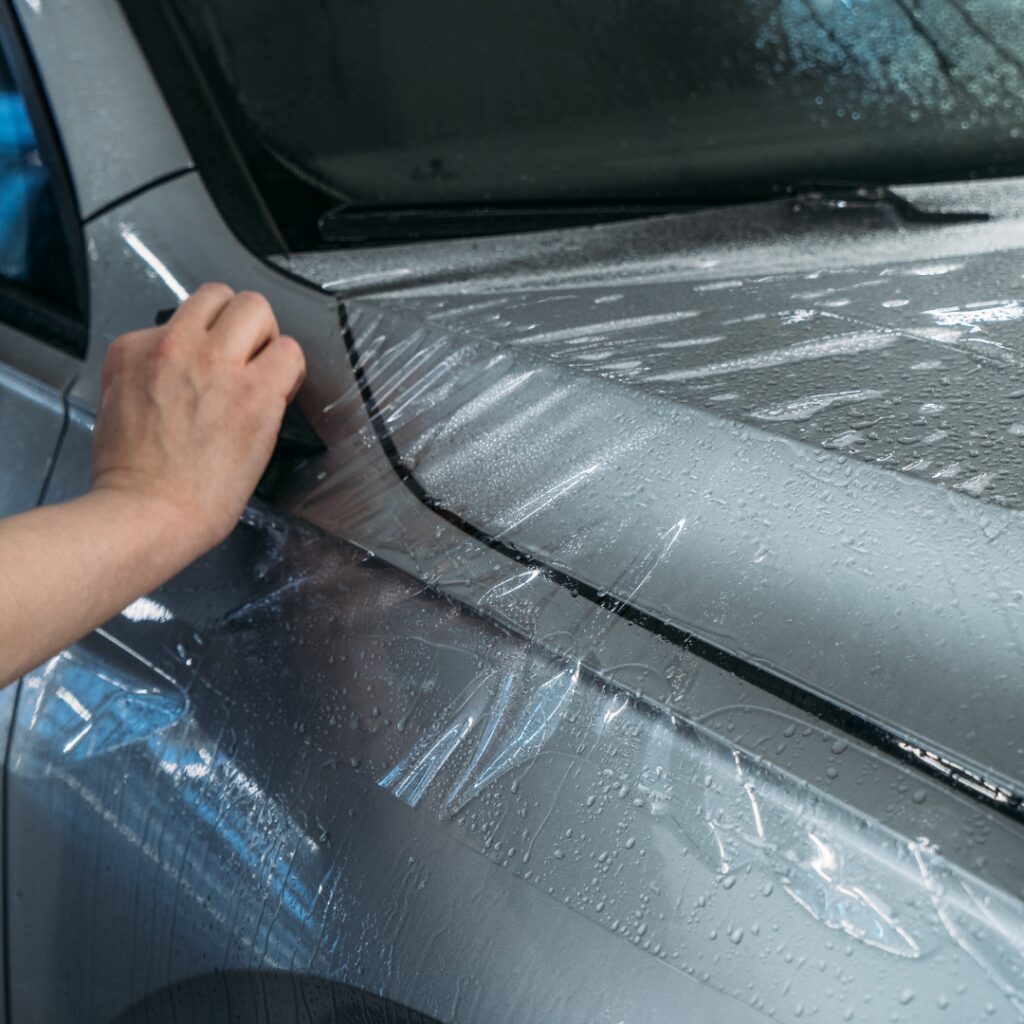
Paint protection film is a clear urethane film applied over painted surfaces to help protect against road debris, scratches, and everyday abrasions. It is often installed on high-impact areas such as the front bumper, hood, fenders, mirrors, rocker panels, and door cups.
For Bay Area commuters, PPF can be especially useful on vehicles that spend a lot of time on highways like 101, 880, 280, or 580. These roads expose front-end panels to small rocks, sand, and debris that can mark the paint over time.
Autohaus Automotive Solutions offers Llumar Paint Protection Film, which is designed to help preserve a vehicle’s finish while maintaining a clean, nearly invisible appearance. Professional installation matters because proper surface prep, film alignment, edge work, and panel coverage all affect the final result.
PPF is best understood as a physical barrier. It does not make a vehicle invincible, but it can help reduce the kind of paint damage that many owners notice after regular driving.
What Is Ceramic Coating?
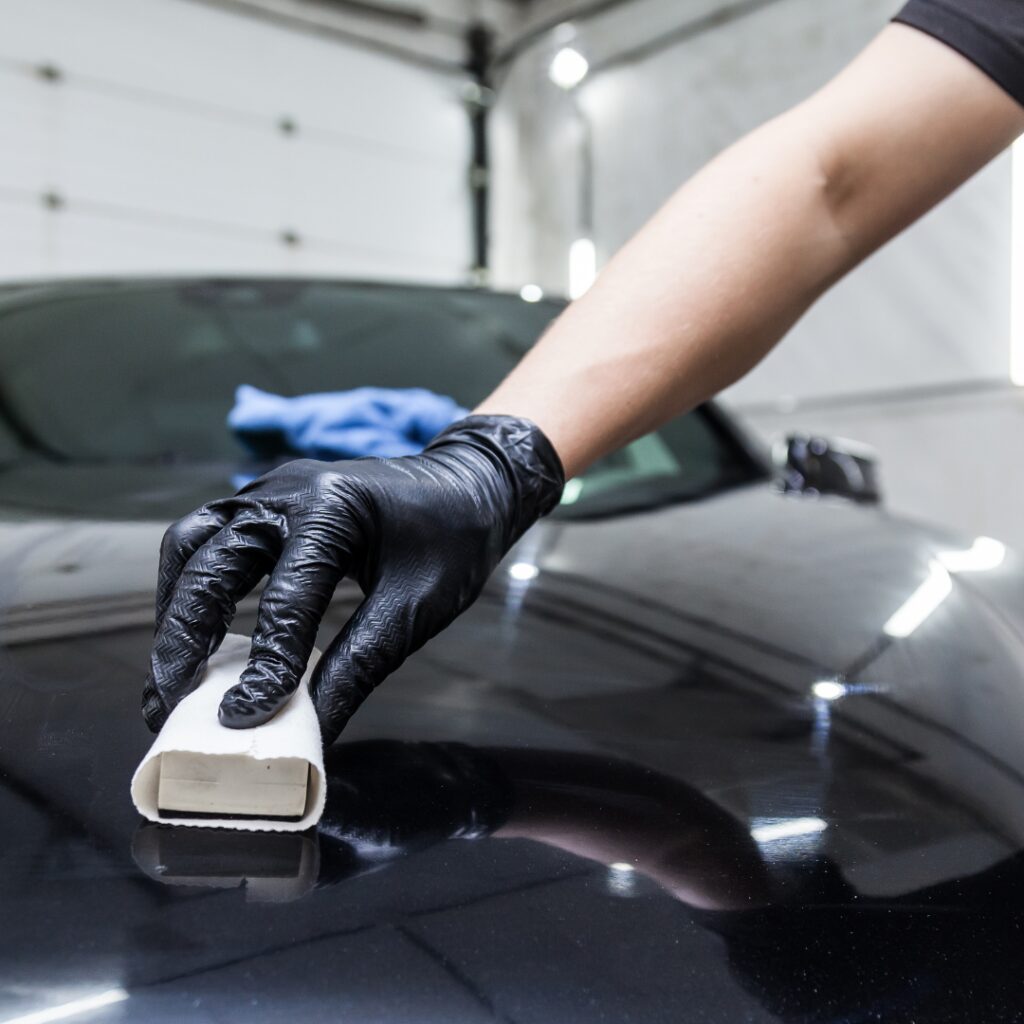
Ceramic coating is a liquid protective coating that bonds to the vehicle’s surface and forms a slick, hydrophobic layer. Unlike PPF, which absorbs road impact, ceramic coating helps repel water, dirt, grime, and other environmental contaminants.
Autohaus Automotive Solutions offers Ceramic Pro, a nanoceramic coating that enhances gloss, improves water repellency, and makes routine washing easier. For drivers who want their vehicle to stay cleaner between washes, ceramic coating can be a strong option.
It is important to understand what ceramic coating does and does not do. It can help protect against UV exposure, dirt, stains, and contaminants, depending on the product and maintenance routine. It does not stop rock chips the way PPF is designed to.
For many owners, ceramic coating is about appearance and ease of maintenance. It helps the paint look glossier and reduces the likelihood that contaminants will stick aggressively to the surface.
PPF vs. Ceramic Coating: The Core Difference
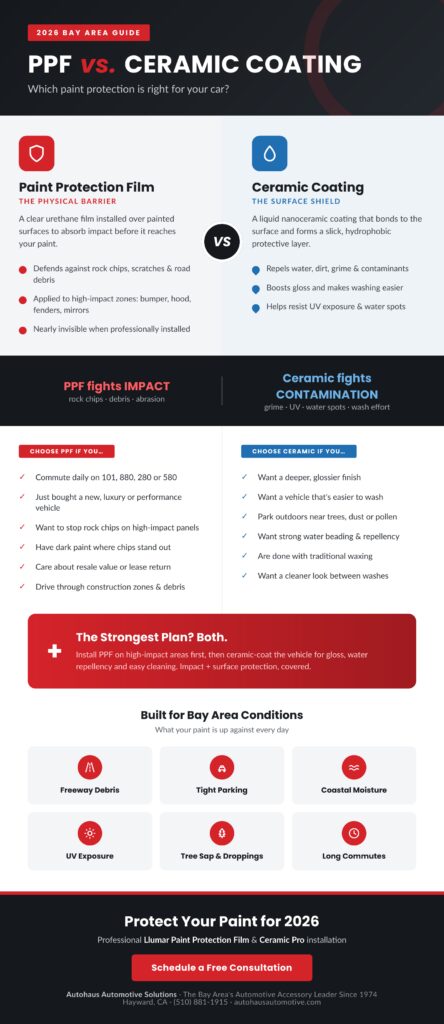
The main difference is simple. PPF helps protect against physical impact. Ceramic coating helps protect the vehicle’s surface from contamination and makes it easier to clean. That means the best choice depends on your priorities. If you are worried about rock chips, bumper damage, and freeway debris, PPF is usually the better starting point. If you are more focused on gloss, water beading, and easier washing, ceramic coating may be the better fit.
Some drivers need one. Some need both.
A new luxury vehicle, performance car, or daily commuter may benefit from PPF on high-impact areas. A garage-kept vehicle or show-focused build may benefit from ceramic coating for shine and maintenance. A fleet vehicle may benefit from a combination that helps keep vehicles looking professional with less cleaning effort.
When PPF Is The Better Choice
PPF is usually the better choice when physical protection is the main concern.
Consider PPF if you:
- Drive frequently on Bay Area freeways
- Recently purchased a new vehicle
- Own a luxury, performance, or specialty vehicle
- Want to protect high-impact areas from rock chips
- Care about preserving paint condition for resale or lease return
- Want a long-term barrier on vulnerable panels
PPF can be especially valuable for darker paint colors, where chips and scratches tend to stand out more visibly. It is also useful for trucks, SUVs, and vehicles that see more road debris, construction zones, or long-distance driving.
If your goal is to protect the front end of your vehicle from daily wear and tear, Llumar Paint Protection Film from Autohaus Automotive Solutions is a strong option.
When Ceramic Coating Is The Better Choice
Ceramic coating is usually the better choice when appearance and maintenance are the main priorities.
Consider ceramic coating if you:
- Want a deeper, glossier finish
- Want your vehicle to be easier to wash
- Park outdoors near trees, dust, pollen, or bird droppings
- Want better water repellency
- Want to reduce reliance on traditional waxing
- Want a cleaner-looking vehicle between washes
Ceramic coating does not eliminate maintenance, but it can make proper maintenance easier. Dirt, water, and contaminants have a harder time bonding to the slick-coated surface, which can make washing less labor-intensive.
For Bay Area drivers dealing with coastal moisture, urban grime, or outdoor parking, Ceramic Pro installation from Autohaus Automotive Solutions can be a practical way to protect the vehicle’s finish and simplify care.
Should You Combine PPF And Ceramic Coating?
For many vehicle owners, the strongest solution is not PPF or ceramic coating. It is both.
A common approach is to install PPF on high-impact areas first, then apply a ceramic coating to painted surfaces to enhance gloss, water repellency, and ease of cleaning. Some owners also choose ceramic coating over compatible PPF to help maintain the film’s appearance.
Common package ideas include:
- Front-end PPF plus full-vehicle ceramic coating
- Full-body PPF for maximum physical protection
- Ceramic coating for paint, wheels, and glass
- Fleet-focused protection for easier cleaning and consistent appearance
The correct installation order and product compatibility should always be confirmed by a professional installer. Contact Autohaus Automotive Solutions to discuss which combination makes sense for your vehicle and driving habits.
How Bay Area Conditions Affect Your Decision
Bay Area vehicles face a mix of driving conditions that can influence the right protection plan.
Drivers in San Jose, Oakland, Fremont, San Francisco, the Peninsula, and surrounding areas may deal with:
- Long freeway commutes
- Heavy traffic and road debris
- Tight street parking
- Coastal air and moisture
- Sun exposure during dry months
- Tree sap, pollen, and bird droppings
- Construction zones and uneven roads
A daily commuter may need front-end PPF more than a weekend vehicle. A car parked outside every day may benefit heavily from ceramic coating. A new high-value vehicle may justify combining both from the start.
Because Autohaus Automotive Solutions is a locally run Bay Area company, their team can recommend protection based on real local driving conditions instead of giving a one-size-fits-all answer.
Cost, Value, And Resale Considerations
The cost of PPF or ceramic coating depends on the vehicle and the scope of work. Factors include vehicle size, paint condition, coverage area, product selection, prep needs, and installation time.
PPF usually costs more when coverage expands from partial front-end protection to full-body protection. Ceramic coating pricing can vary based on the coating package, surface preparation, and whether additional areas, such as wheels or glass, are included.
Instead of choosing based on price alone, focus on long-term value. Quality exterior protection can help preserve paint condition, reduce maintenance effort, and support resale confidence when the vehicle has been properly cared for.
Before publishing or quoting warranty-related claims, confirm current warranty details directly with Autohaus or the manufacturer. Product terms can change, and a trustworthy article should avoid outdated promises.
Common Mistakes To Avoid When Choosing Paint Protection
One common mistake is choosing ceramic coating when the real concern is rock chips. Ceramic coating helps with contaminants and cleaning, but it is not a substitute for PPF in high-impact areas.
Another mistake is choosing the cheapest installer without considering prep, product quality, or experience. Poor installation can lead to visible seams, lifting edges, trapped contamination, or disappointing long-term results.
Drivers should also avoid assuming that every vehicle needs the same package. A daily commuter, a weekend sports car, a work truck, and a fleet vehicle all have different needs.
Before deciding, ask:
- Where does the vehicle spend most of its time?
- Is rock-chip protection or easier cleaning more important?
- Is the vehicle new, leased, luxury, or fleet-owned?
- Will it be parked outside often?
- How long do you plan to keep it?
- Do you want partial coverage or full protection?
Frequently Asked Questions
Is PPF Better Than Ceramic Coating?
PPF is better for physical protection against rock chips, road debris, and light abrasions. Ceramic coating is better for gloss, water repellency, and easier cleaning. The right choice depends on whether your main concern is impact protection or surface maintenance.
Can You Put Ceramic Coating Over PPF?
Yes, in many cases, ceramic coating can be applied over compatible paint protection film to help improve gloss and make the film easier to clean. Product compatibility and installation order should be confirmed by a professional installer.
Does Ceramic Coating Prevent Rock Chips?
No. Ceramic coating is not designed to stop rock chips. It helps protect against surface contaminants, water spots, UV exposure, and grime, but PPF is the better choice for impact protection.
How Long Does PPF Or Ceramic Coating Last?
Longevity depends on the product, installation quality, vehicle use, parking conditions, and maintenance routine. Autohaus Automotive Solutions can recommend the right option based on your vehicle and driving style.
Should A New Car Get PPF Or Ceramic Coating First?
If the goal is to protect the paint from road damage, PPF is usually the first priority for high-impact areas. Ceramic coating can then be added for gloss, easier cleaning, and added surface protection.
Who Should I Contact For Paint Protection In The Bay Area?
Bay Area drivers can contact Autohaus Automotive Solutions to discuss Llumar Paint Protection Film, Ceramic Pro, and the best protection plan for their vehicle.
How Autohaus Automotive
Solutions Helps You Choose The Right Option
Autohaus Automotive Solutions helps Bay Area drivers protect and personalize their vehicles with professional exterior services, including Llumar Paint Protection Film and Ceramic Pro ceramic coating. The right choice comes down to your vehicle, your driving habits, and your goals. Choose PPF if you want protection from rock chips, road debris, and physical wear on high-impact areas. Choose a ceramic coating for enhanced gloss, easier washing, and better resistance to everyday contaminants. Choose both for a more complete protection plan that addresses impact, appearance, and maintenance.
If you are unsure which option fits your vehicle, the best next step is a professional consultation. Contact Autohaus Automotive Solutions to discuss your Bay Area driving conditions and build the right paint protection plan for 2026.
Call (510) 330-0499 today to talk through your van flooring options and get a quote.